Owls of Costa Rica
We thank Vernon Campos for sharing the owl photographs for our gallery.

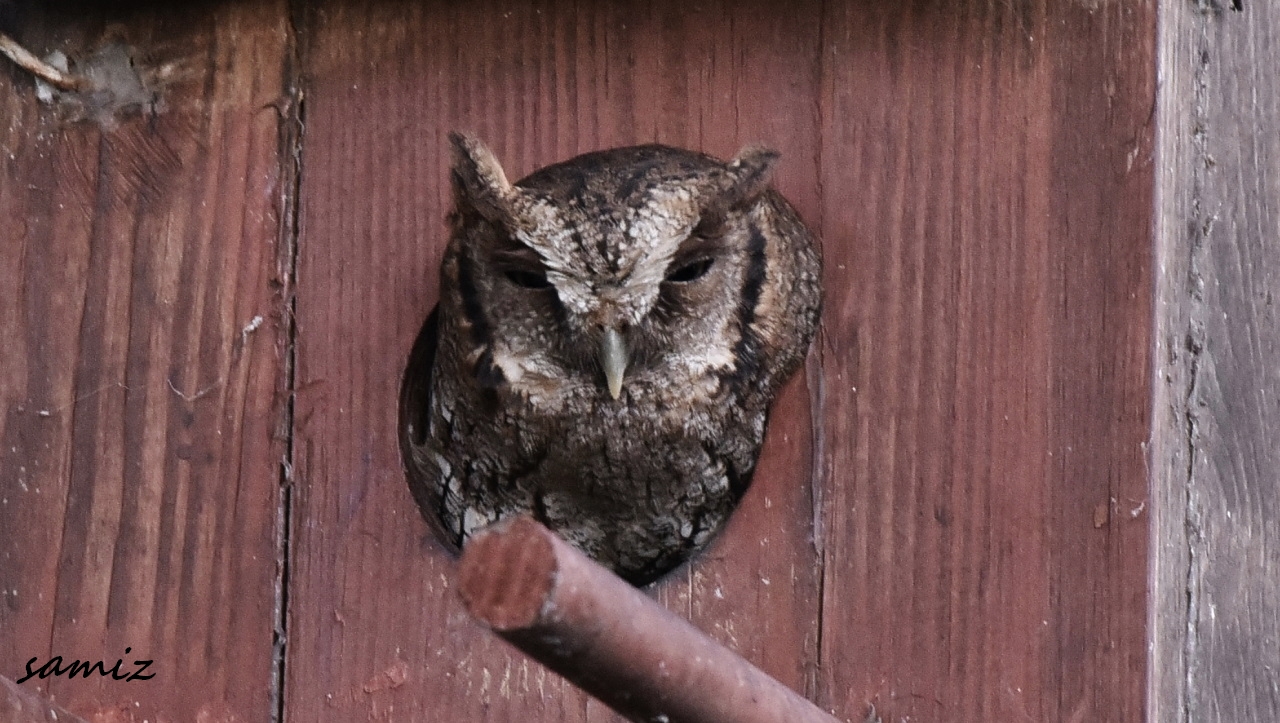
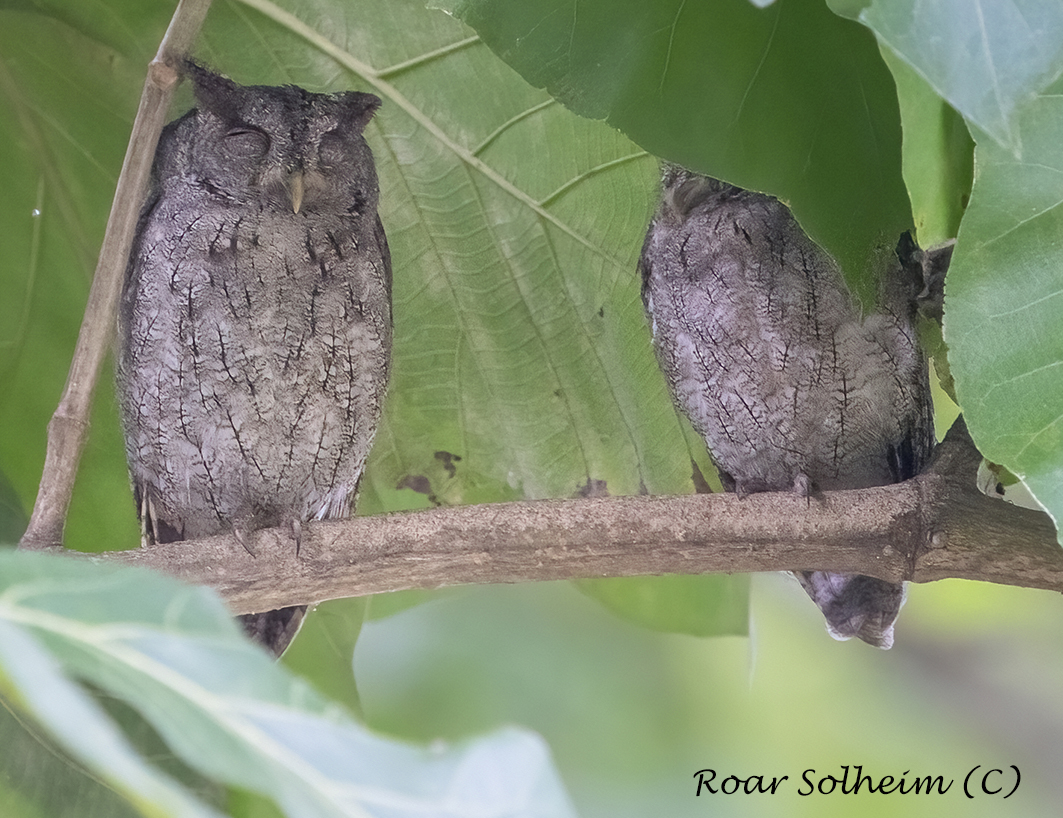
Tropical Screech Owl
Megascops choliba
Distribution: Found from southern Mexico to Argentina, including Costa Rica at both low and mid elevations.
Diet: Mostly large insects such as crickets, beetles, and moths, and sometimes small lizards or frogs.
Habitat: Occurs in dry and humid forests, forest edges, coffee plantations, and wooded gardens.
Behavior: A small, nocturnal owl easily recognized by its strong, repetitive call. Nests in tree cavities or nest boxes.

Crested Owl
Lophostrix cristata
Distribution: From southern Mexico to northern South America. In Costa Rica, it is uncommon and mainly found in lowland rainforests.
Diet: Feeds on small mammals, birds, reptiles, amphibians, and insects.
Habitat: Prefers humid, mature tropical forests below 1,000 m elevation.
Behavior: Nocturnal and elusive. Noted for its striking feather crest and deep, resonant call.

Barn Owl
Tyto alba
Distribution: One of the most widespread owls, found on every continent except Antarctica. In Costa Rica, it inhabits both rural and urban areas.
Diet: Mainly small mammals such as mice and rats, but also small birds and large insects.
Habitat: Open fields, farmlands, and forest edges. Frequently roosts in barns, churches, and abandoned buildings.
Behavior: Nocturnal, with a silent flight and excellent hearing that allows it to hunt in complete darkness.

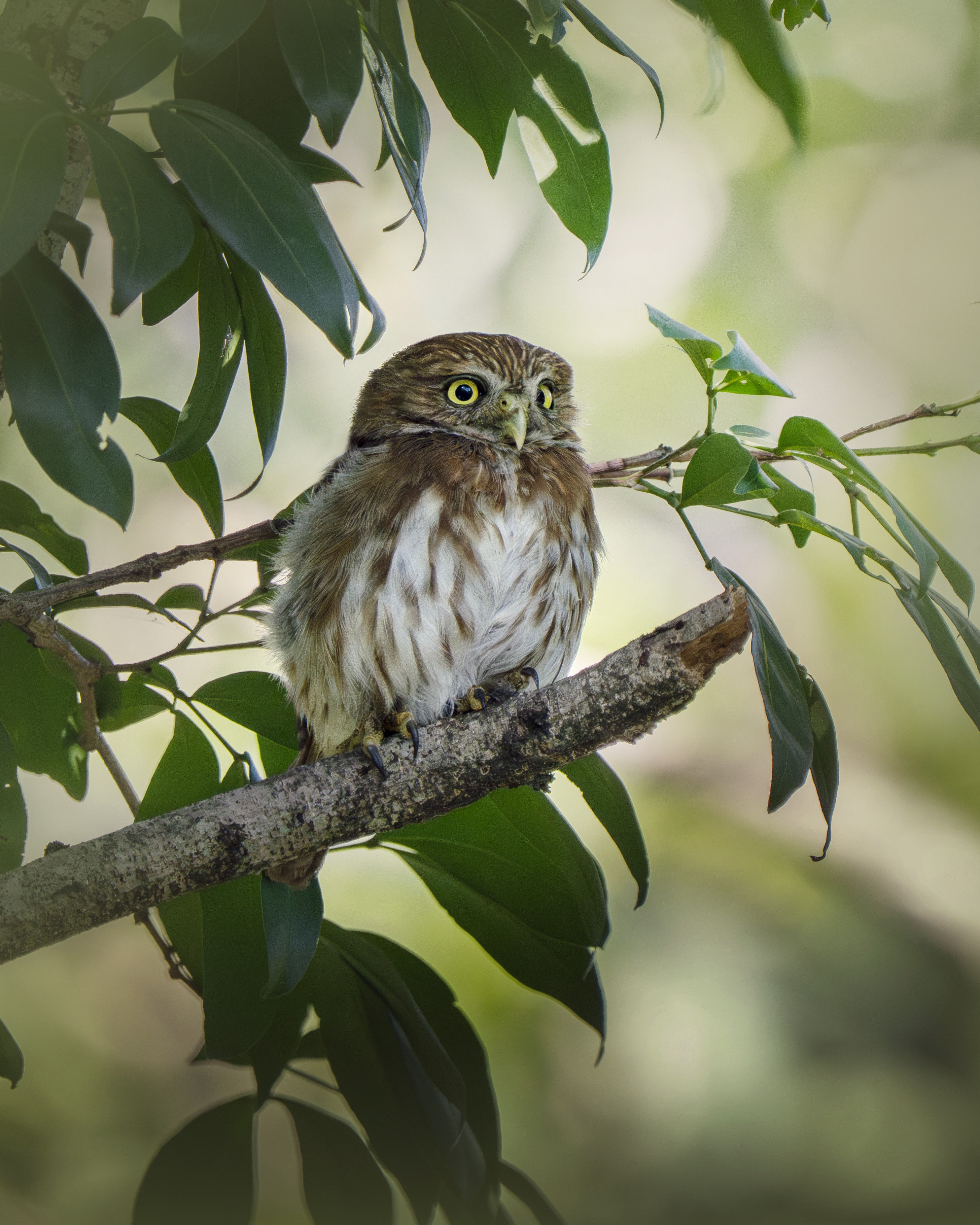
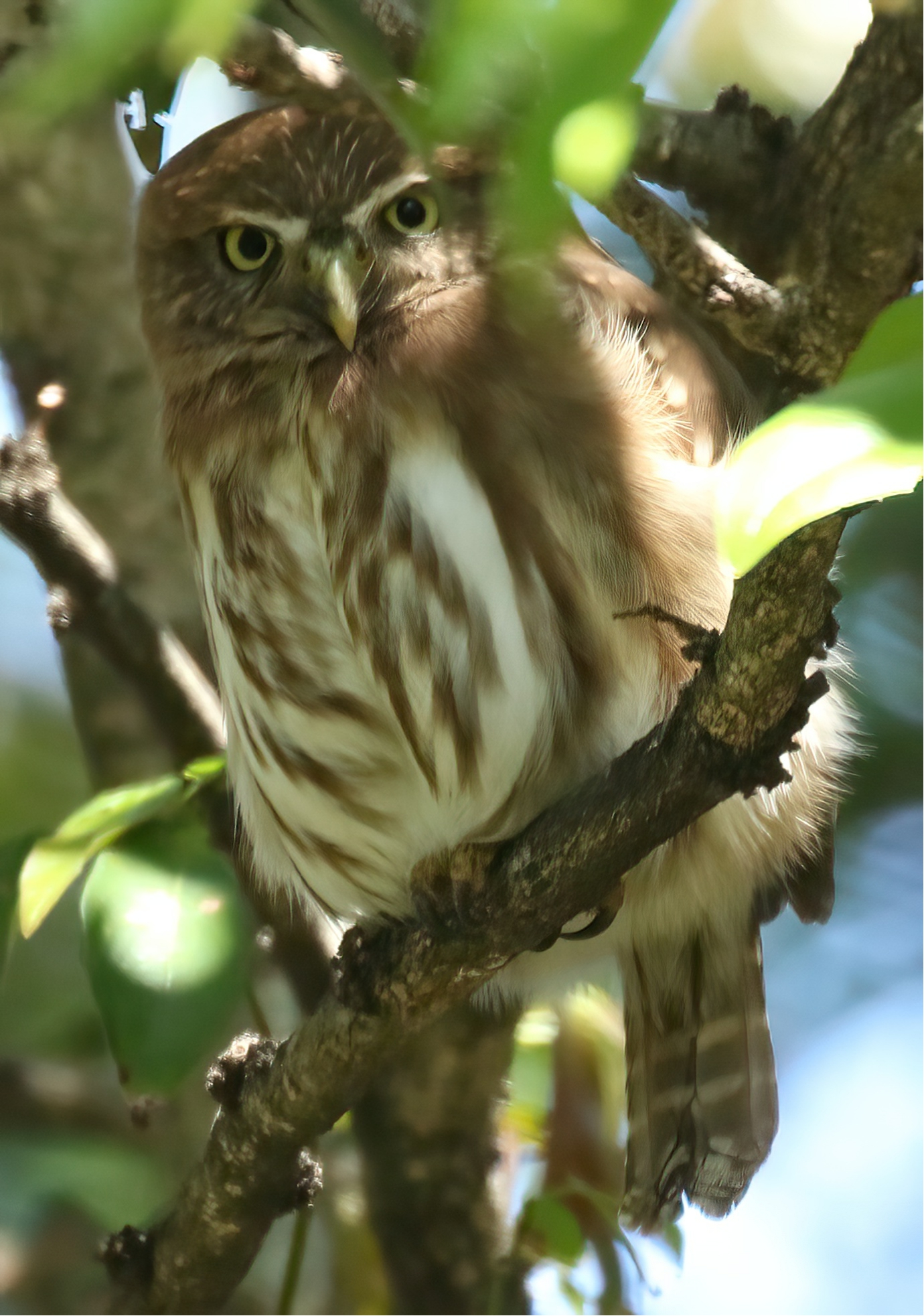
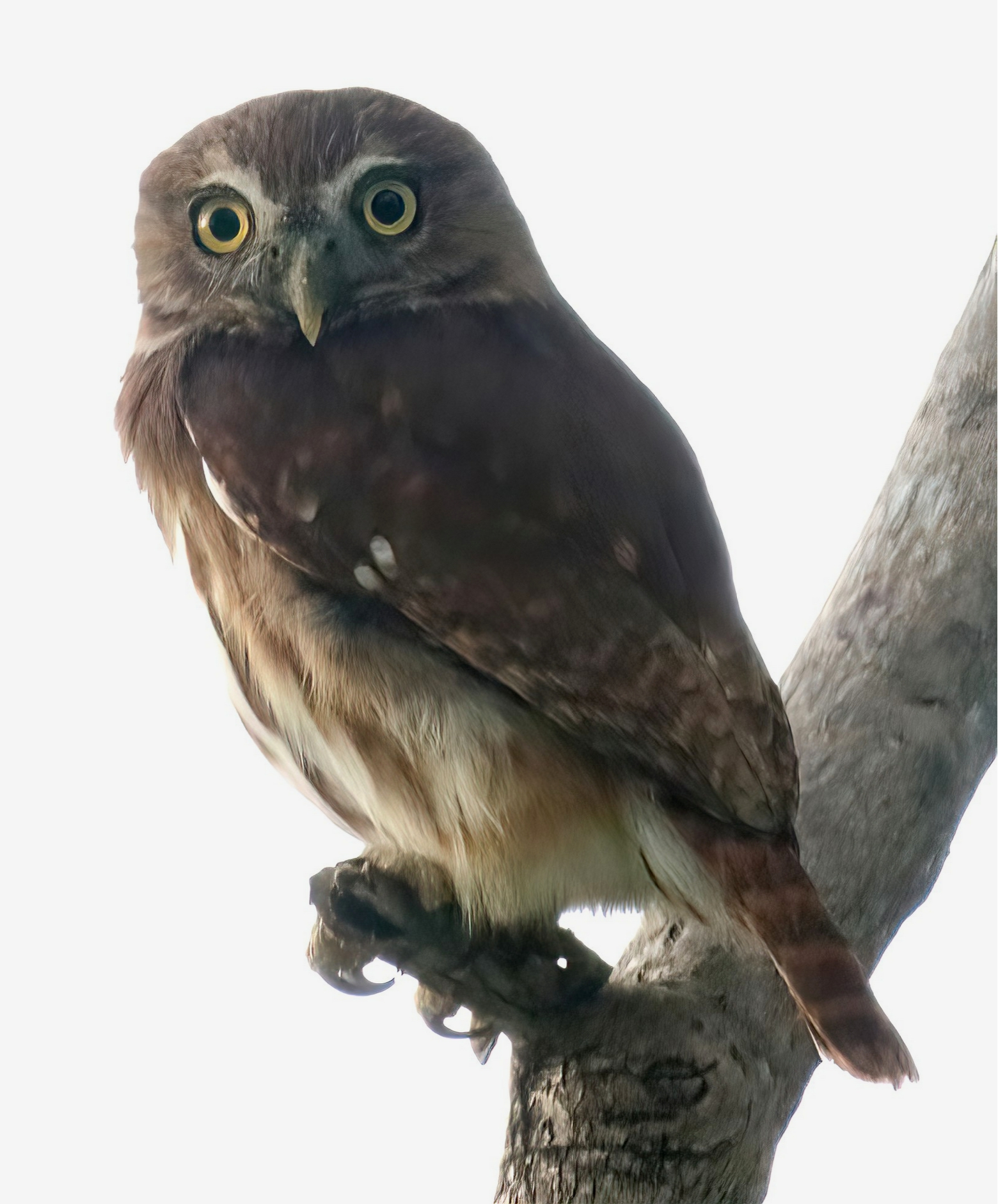
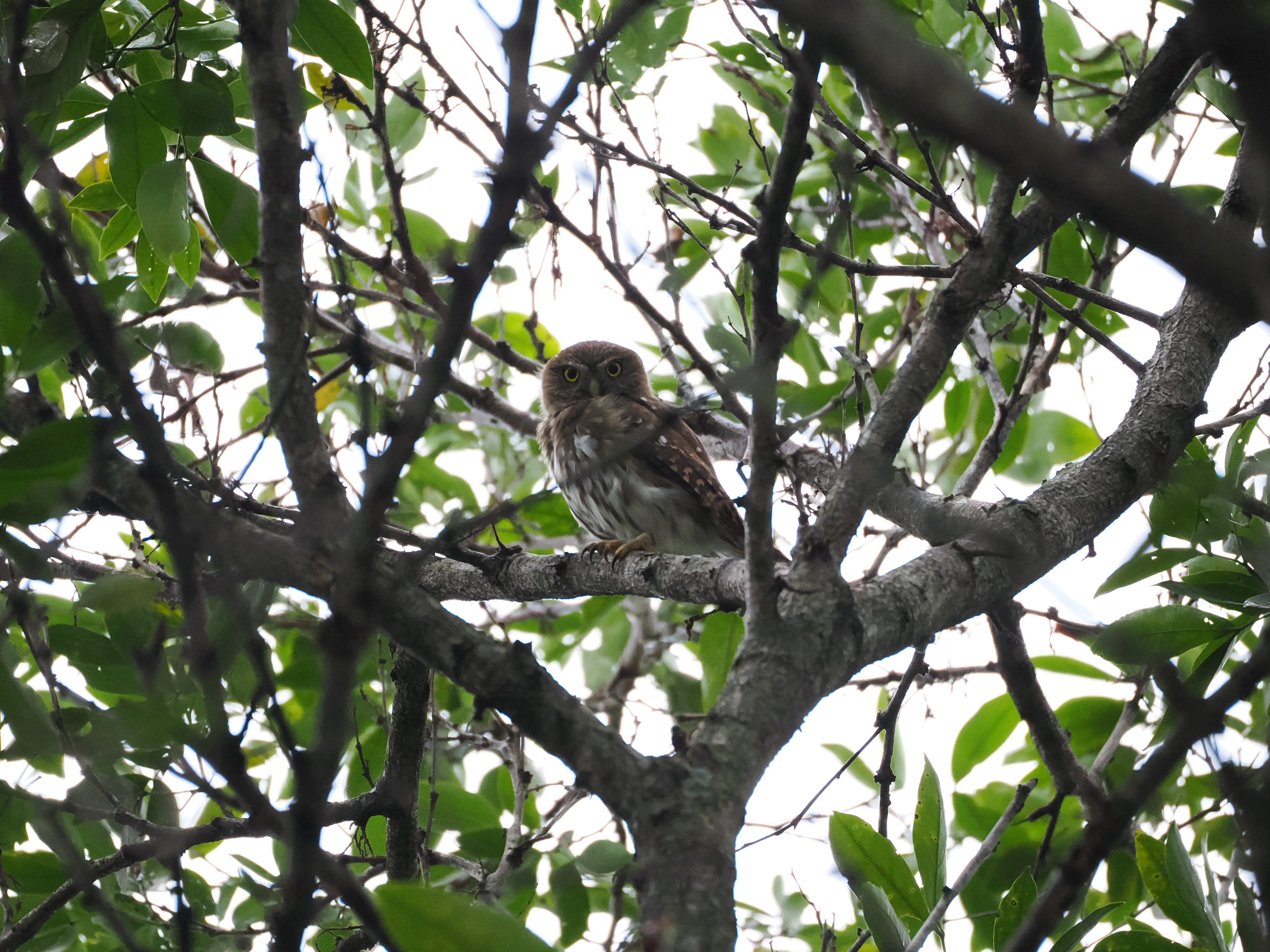
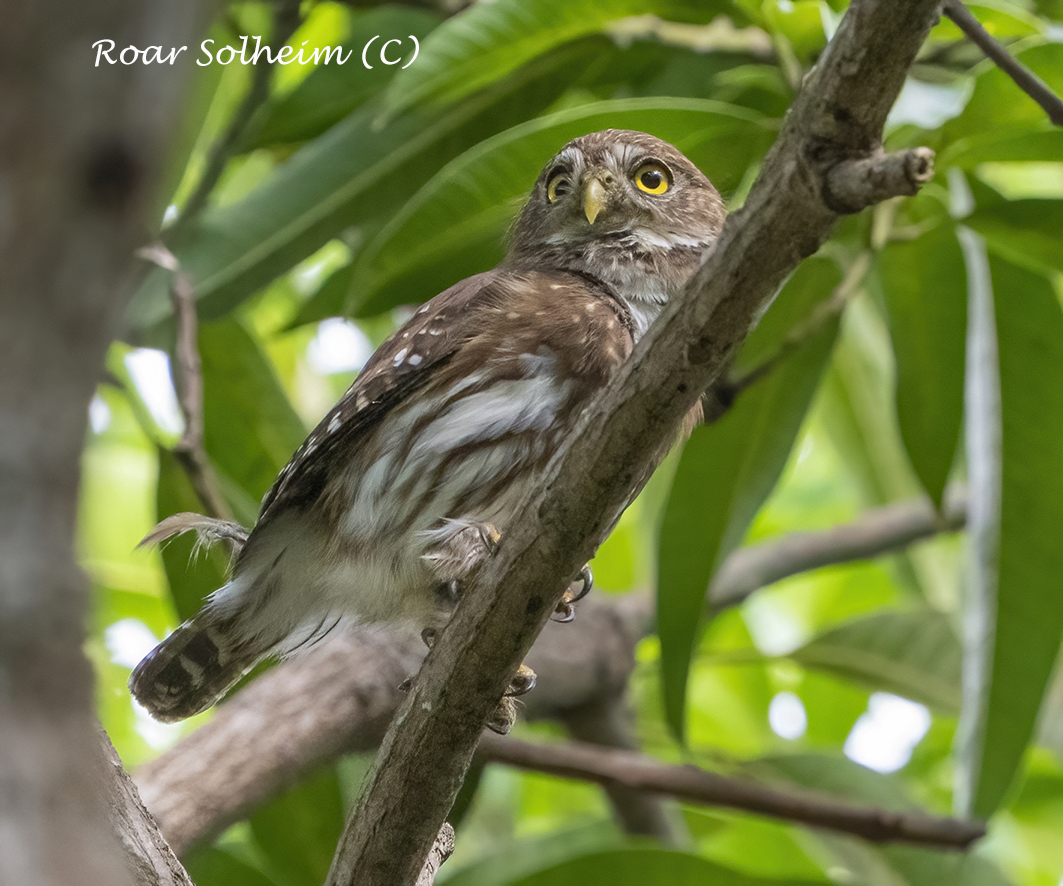
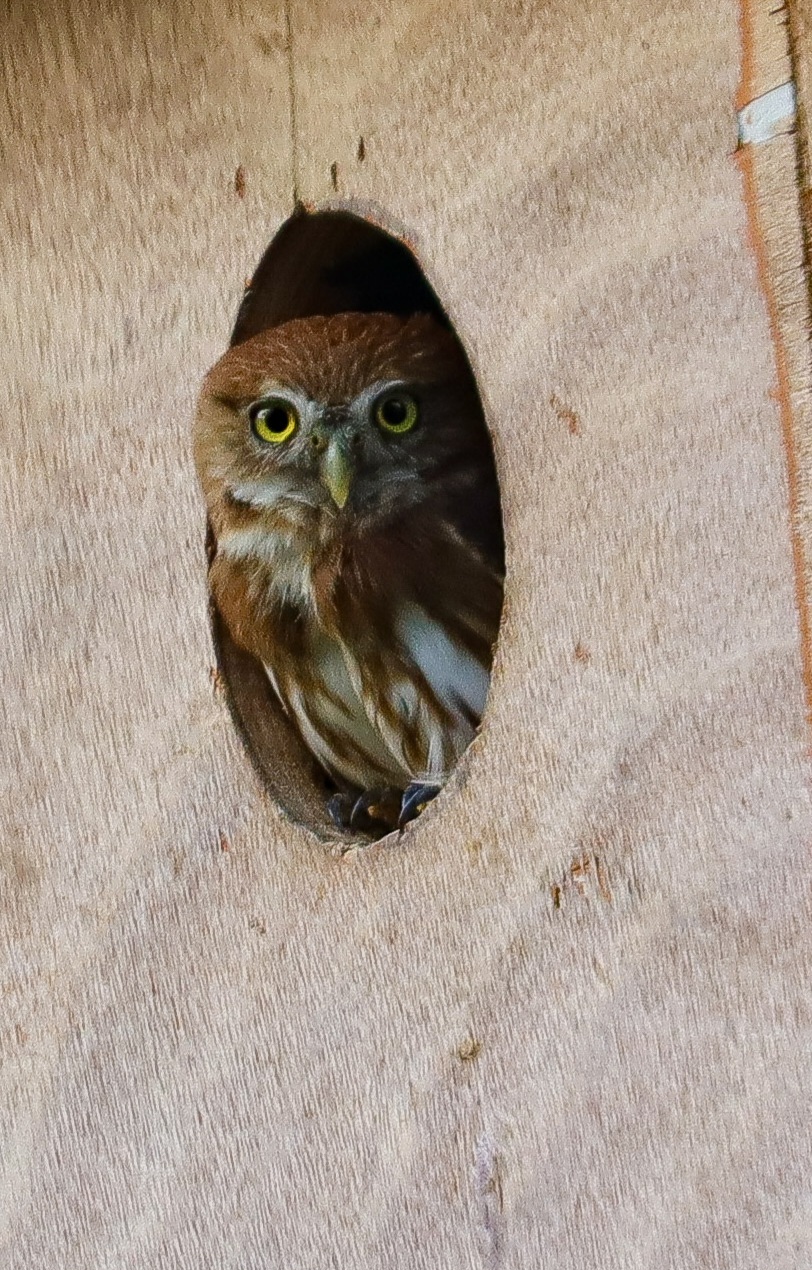
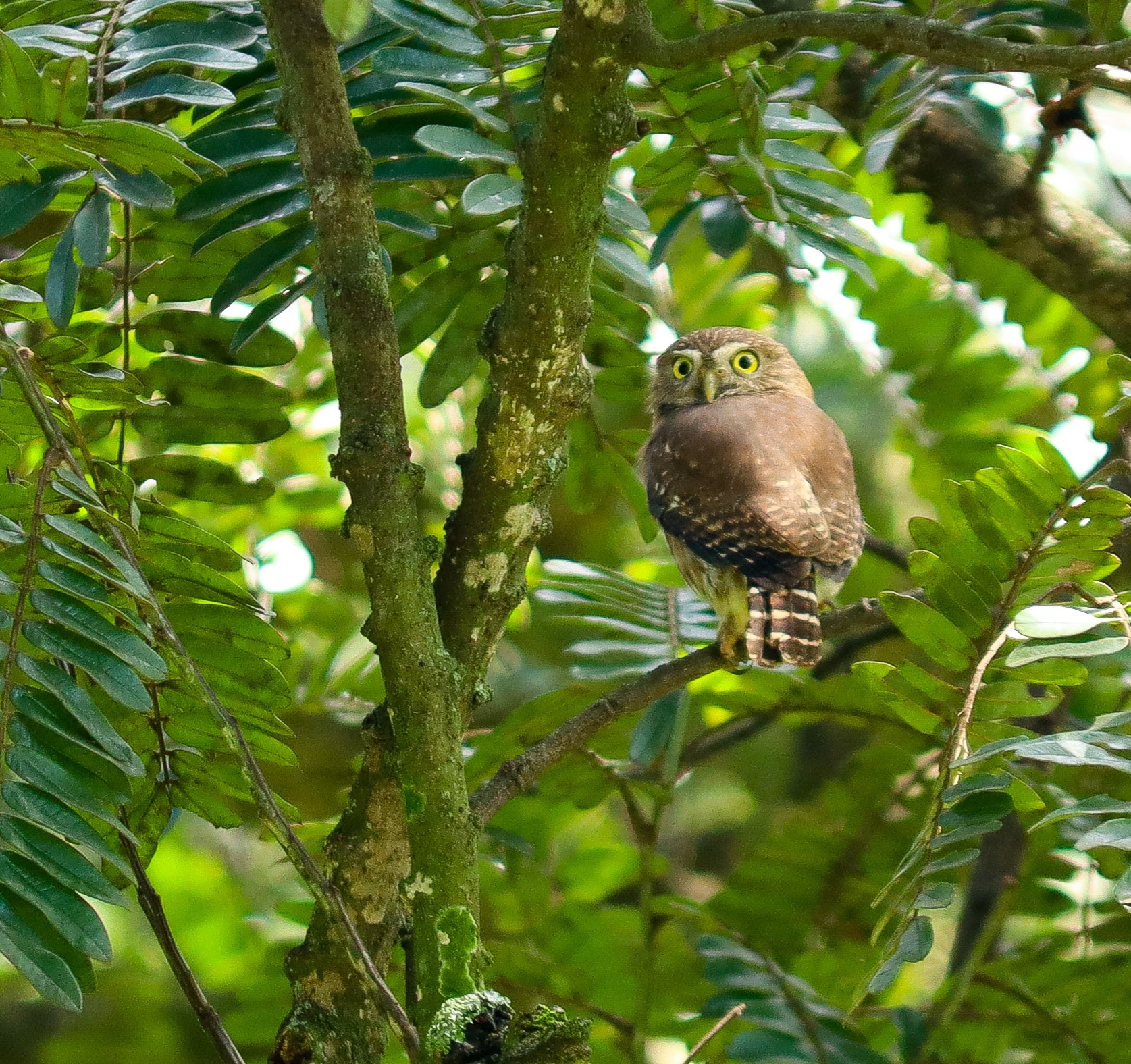
Ferruginous Pygmy-Owl
Glaucidium brasilianum
Distribution: From the southern United States to Argentina, widely distributed across Central America.
Diet: Insects, small reptiles, amphibians, and occasionally smaller birds.
Habitat: Open areas with scattered trees, forest edges, and green urban zones.
Behavior: Diurnal and territorial, with a characteristic repetitive call. Nests in natural cavities or nest boxes.

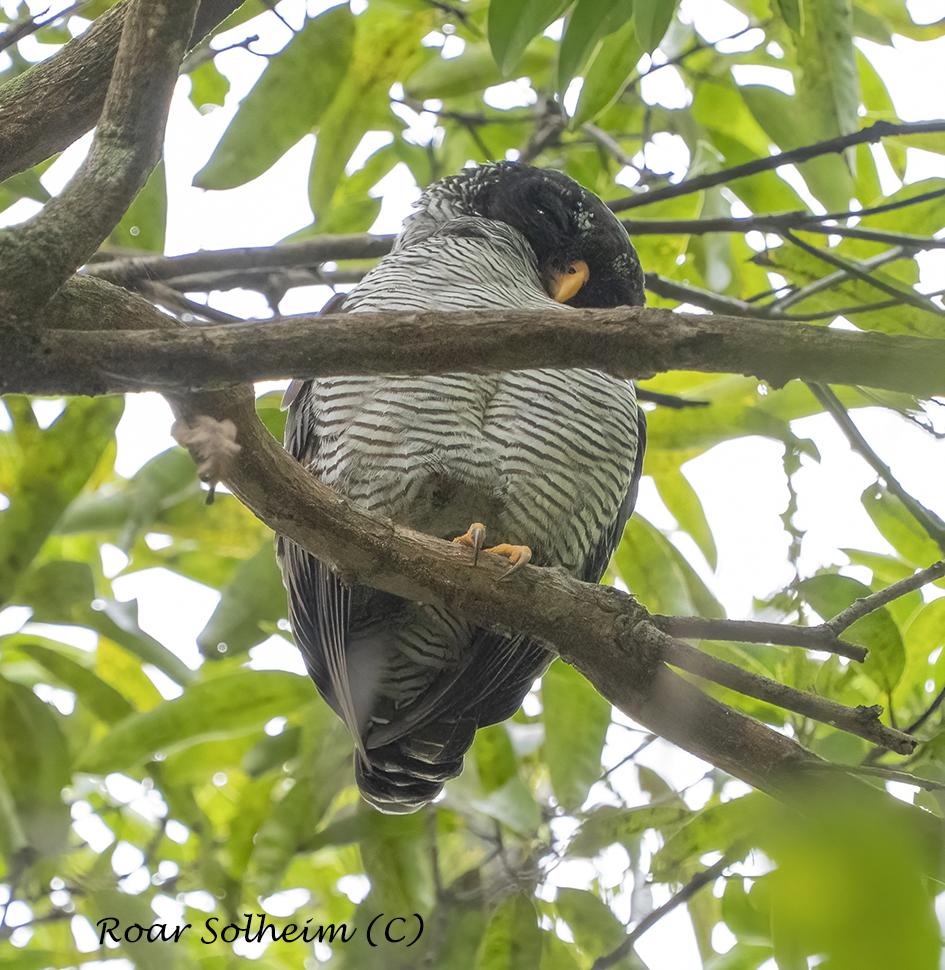
Mottled Owl
Ciccaba virgata
Distribution: From Mexico to South America. Common throughout Costa Rica.
Diet: Small mammals, birds, amphibians, reptiles, and large insects.
Habitat: Found in humid primary and secondary forests, as well as shaded coffee plantations.
Behavior: Nocturnal, usually seen in pairs, with a series of deep, repetitive hoots. Territorial and easily recognized by its call.

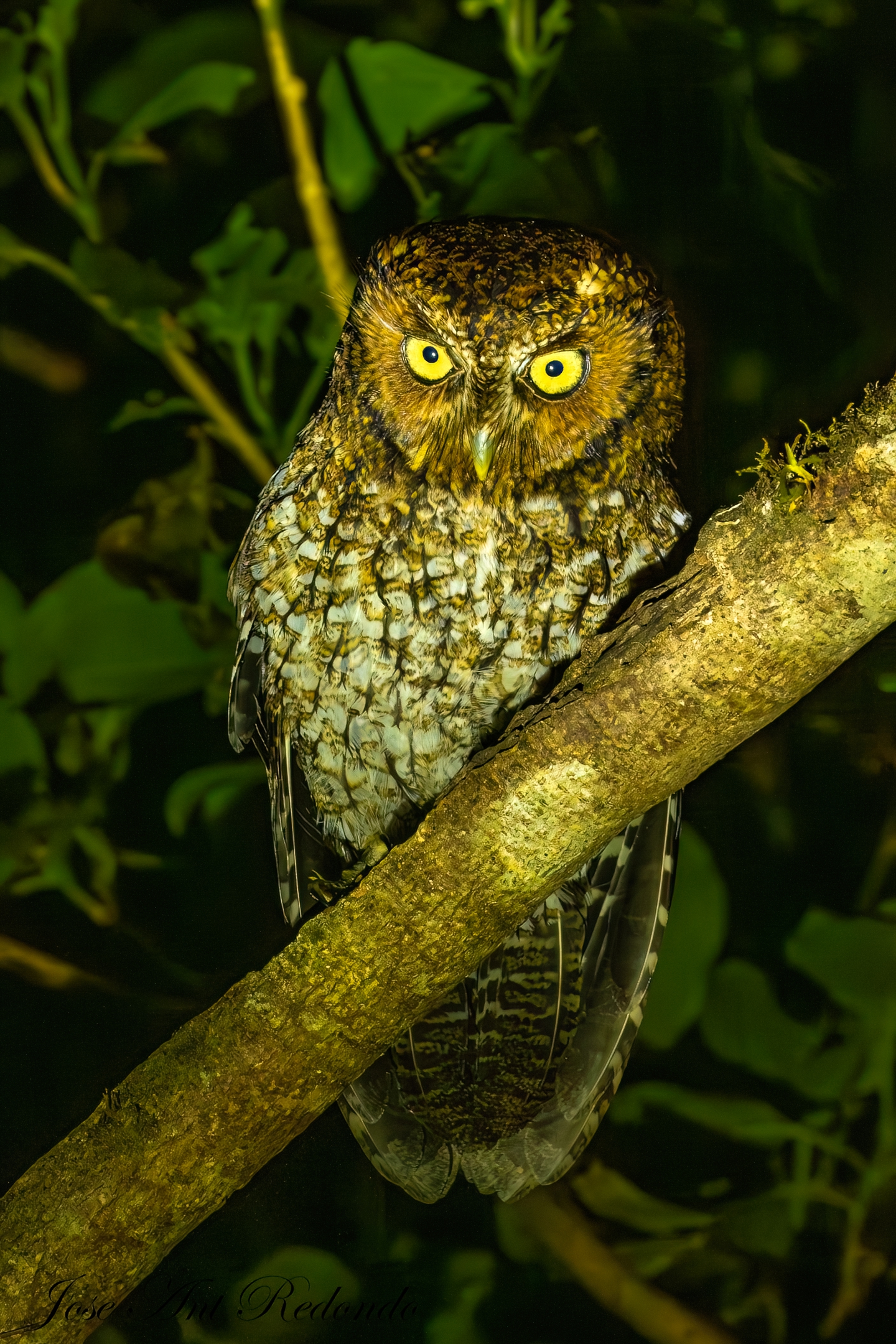
Pacific Screech-Owl
Megascops cooperi
Distribution: From southern Mexico to Costa Rica, mostly in highland regions such as the Talamanca and Central Volcanic Ranges.
Diet: Feeds mainly on large insects and small vertebrates such as lizards and rodents.
Habitat: Humid montane forests between 1,200 and 3,000 m elevation.
Behavior: Nocturnal and solitary. Known for its soft, melodic trill and nesting in natural tree cavities.

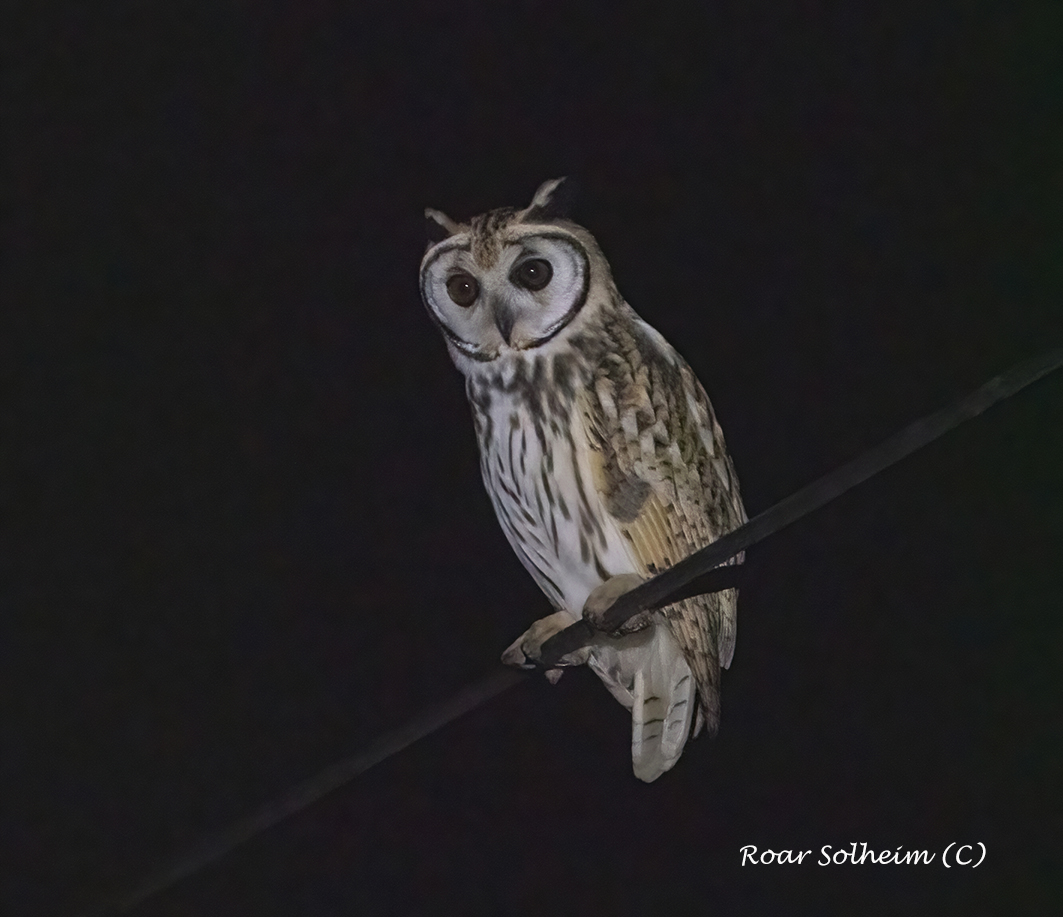
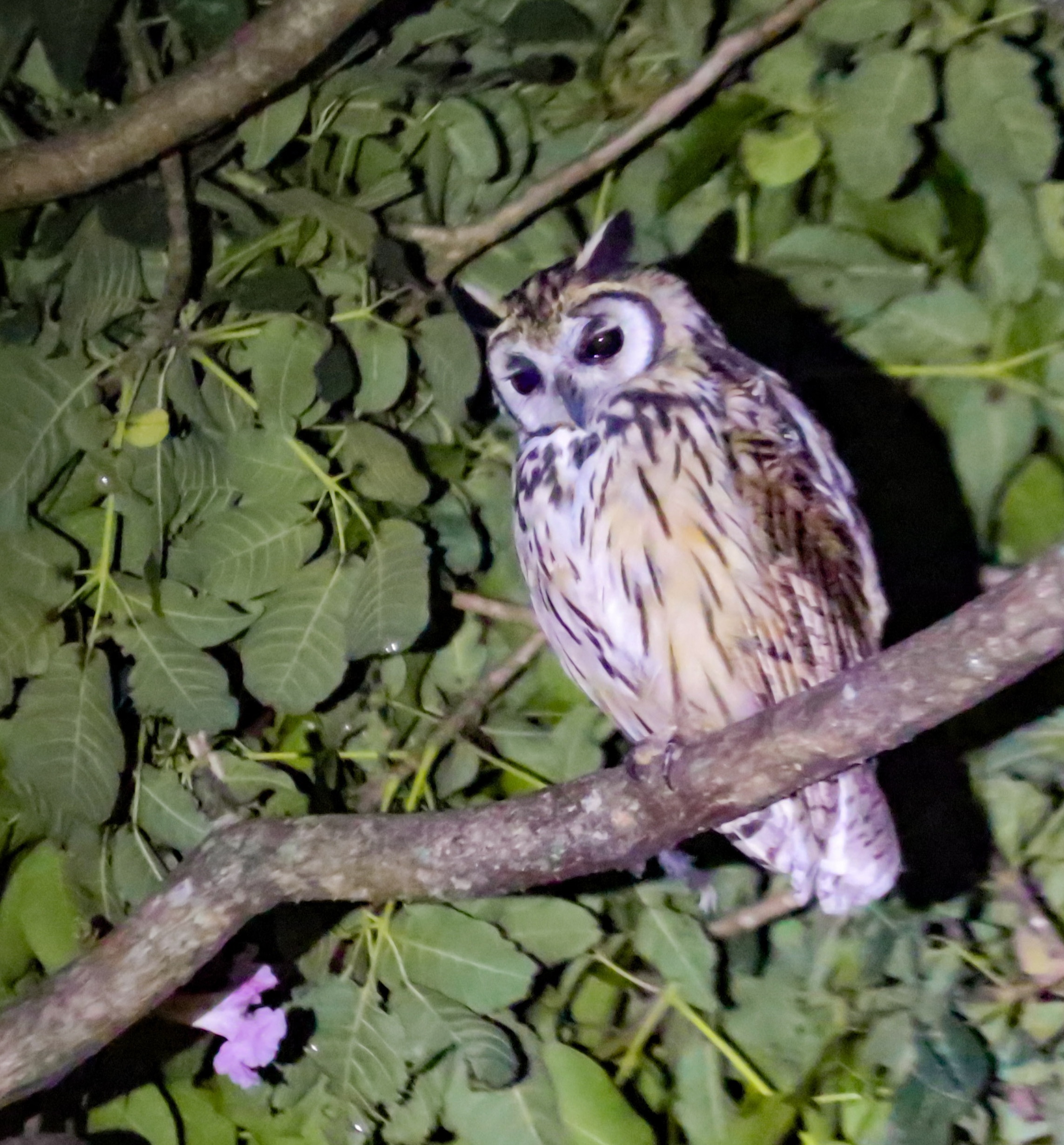
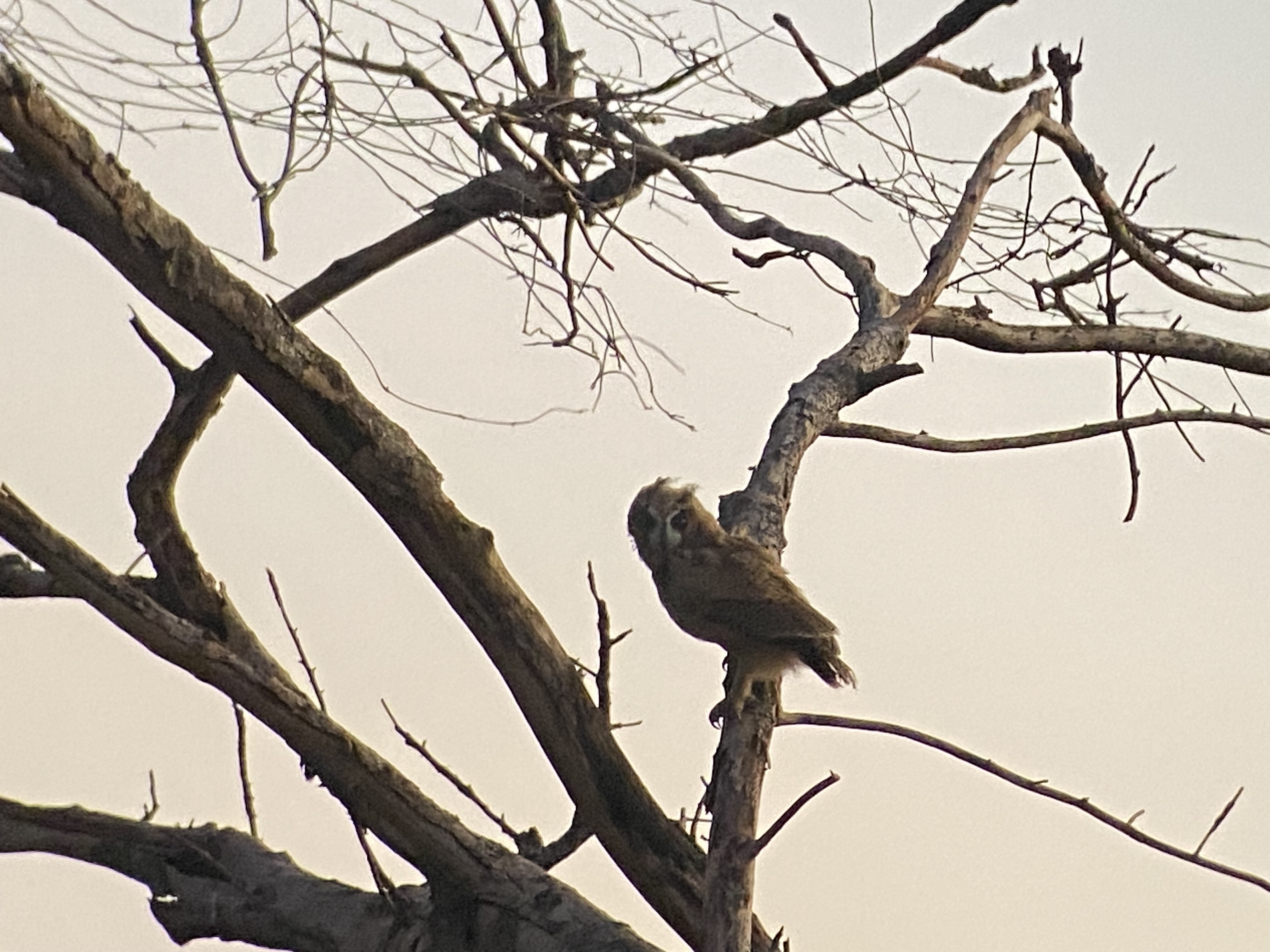
Striped Owl
Asio clamator
Distribution: From Mexico to Argentina, common in Costa Rica’s lowlands and mid-elevations.
Diet: Small mammals, birds, reptiles, amphibians, and large insects.
Habitat: Open areas with scattered trees, savannas, and coffee plantations.
Behavior: Mostly nocturnal and solitary. Recognizable by its long ear tufts and loud, deep call used for territorial defense.